Sub-Zero Series · Wine 400 Legacy · Out-of-Warranty · Southern California

Sub-Zero Wine 400 Series repair

The 400 series is Sub-Zero's legacy wine storage — full-size and undercounter dual-zone units that set the template the current wine line still follows. Our techs at Sub-Zero Refrigerator Repair service these out of warranty, where dual-zone temperature, the door seal, and the precision a wine unit demands are the heart of the work.

Mon–Sat 8am–8pm · Sun closed · Requests 24/7 online, phone & chat

Series identity

What a Wine 400 Series is

Era
1990s–2010s
Configuration
Full-size & undercounter wine, dual-zone
Status
Legacy / discontinued

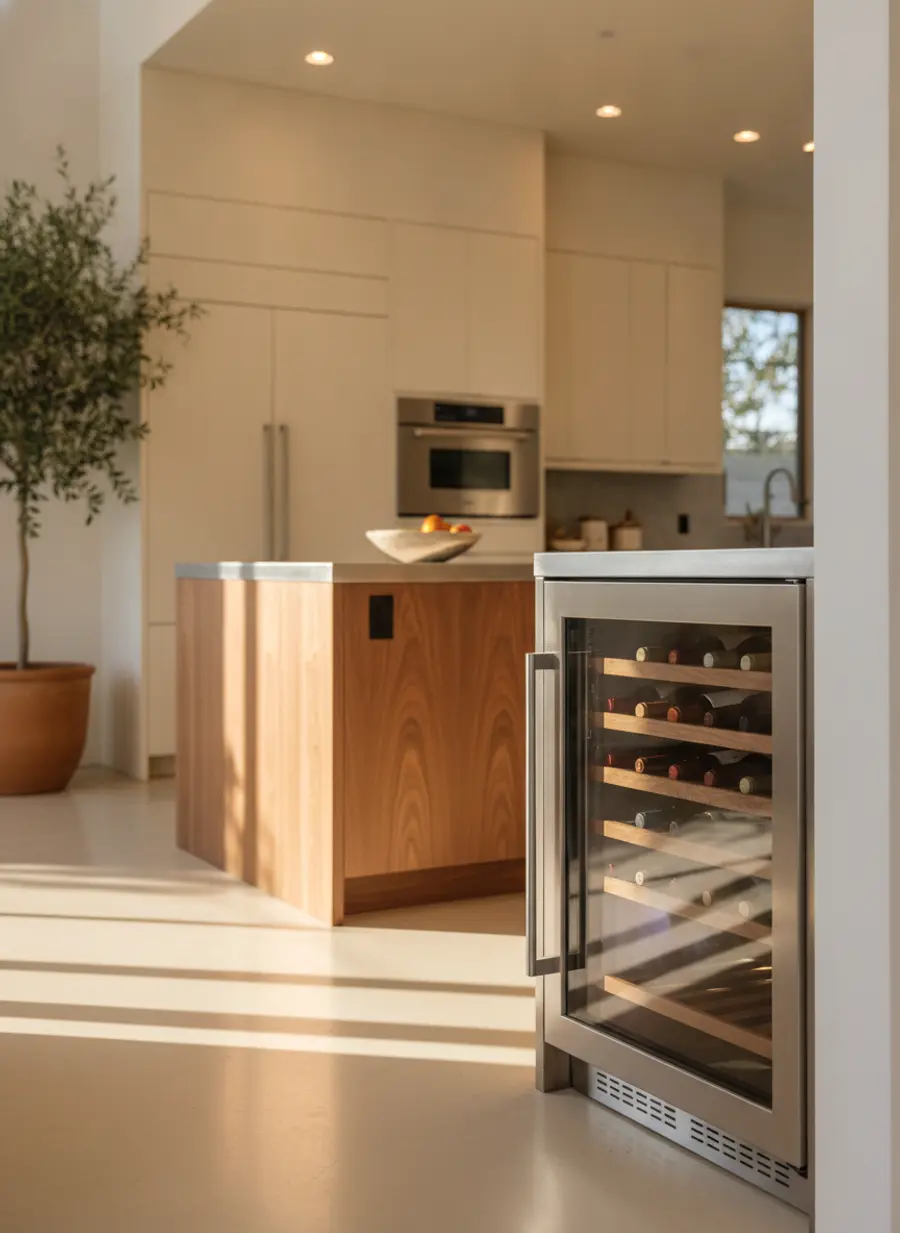
These are 4xx wine models and their relatives — 424, 427, 430, the WS-30, and sub-versions like 424-2 and 430-2. They span full-size and undercounter dual-zone wine storage from the 1990s into the 2010s.

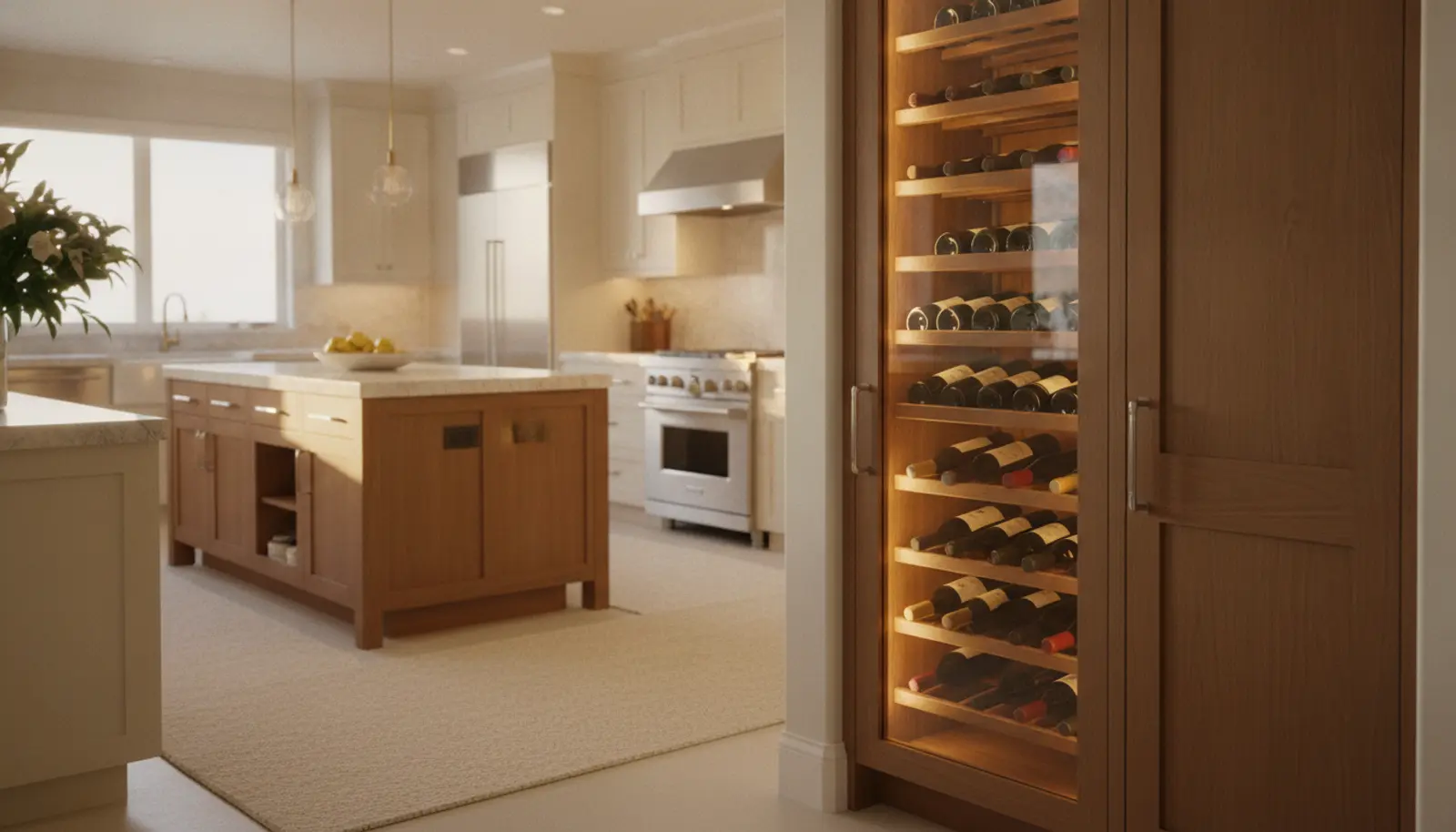
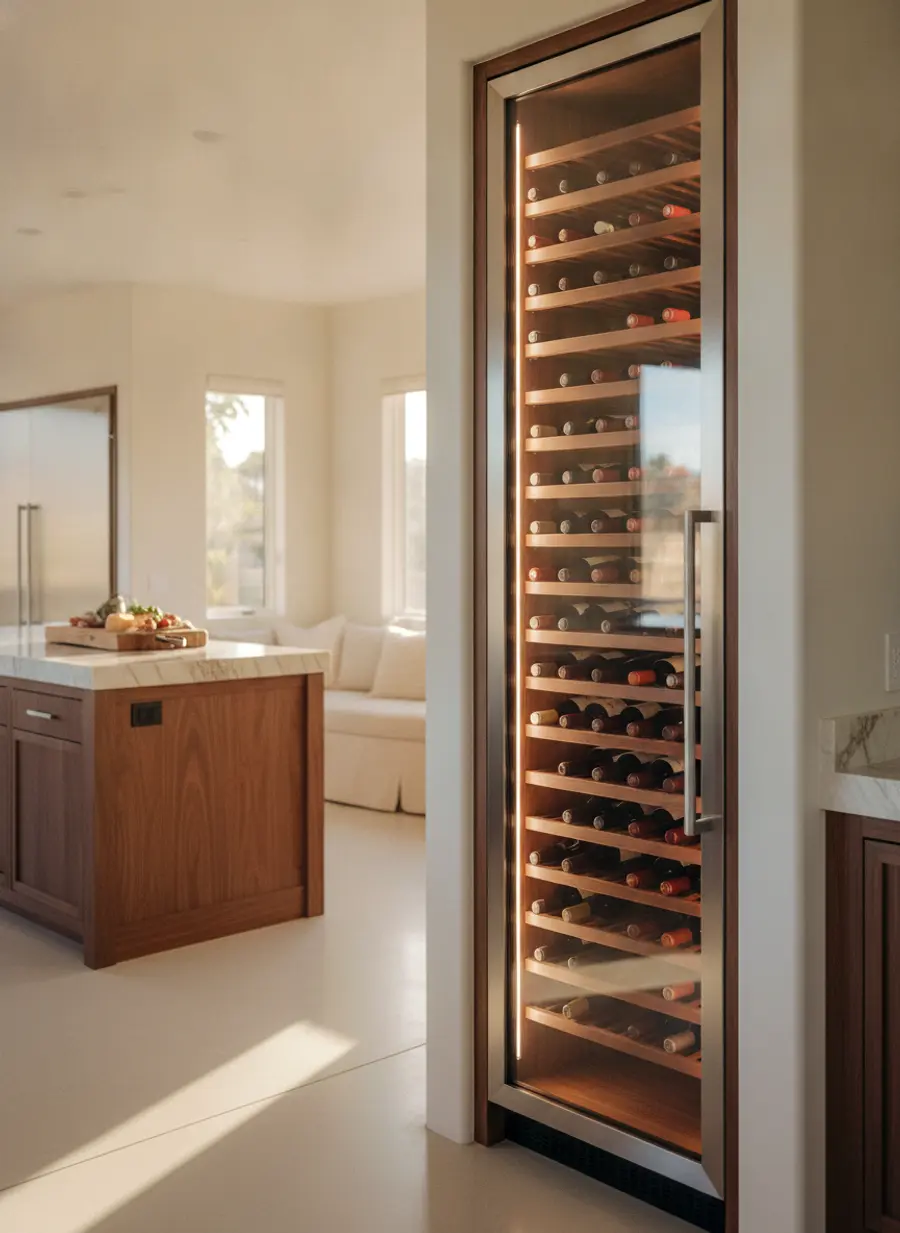
The 400-series wine units are the forebears of today's Designer and Classic wine columns, so the diagnostic priorities are the same — zone control, sealing, and stable, vibration-free storage — with parts availability the main thing that sets the legacy line apart. The range runs from full-size cabinets like the 424, 427, and 430 to the undercounter WS-30, with -2 sub-versions marking revisions, spanning the 1990s into the 2010s. These were the units that established serious built-in wine storage in many SoCal homes, and the collections behind their UV-tinted doors are often worth far more than the cabinet itself. That changes the stakes of a repair: a couple of degrees of drift on a 400-series unit isn't a minor annoyance but a risk to the bottles, which is why we treat early symptoms on these as worth acting on rather than watching.

Models we service

  • 424
  • 424-2
  • 427
  • 427R
  • 430
  • 430-2
  • WS-30

What tends to fail

What tends to fail on a 400 wine unit

Dual-zone temperature drift

These units control two zones independently, so one zone drifting warm while the other holds is the classic fault — and a useful one, pointing straight at that zone's sensor, damper, or airflow rather than the whole system.

Door seal on an aging cabinet

After years of service the gasket hardens and the seal weakens, letting warm, humid air in. On a wine unit that shows as drift, condensation, and a compressor that runs too often.

Evaporator, fan, and sensing

A tired evaporator or weak fan leaves cold air unable to circulate evenly past the bottles, while a drifting temperature sensor tells the control the wrong thing — both common on a legacy wine cabinet.

Vibration and aging mounts

Vibration is uniquely bad for stored wine, and on an older unit a failing fan mount or worn part can introduce it. Resolving it protects the bottles as much as the machine.

How we approach it

How we approach a 400 wine unit

  1. Read each zone separately

    On a dual-zone unit we check the zones independently, since a single warm zone narrows the fault fast and leaves a healthy zone alone.

  2. Verify what the control senses

    We check that each zone's temperature sensor is reporting accurately, since a drifting sensor on a legacy wine unit will quietly push the control to over- or under-cool one side.

  3. Check the seal and airflow

    On an aging cabinet the gasket and airflow are prime suspects for drift and icing, so we read them before anything in the sealed system.

  4. Source-check parts up front

    As a legacy line, some 400-series parts are harder to find, so we confirm availability before recommending a repair.

Repair or replace

Built-in wine, worth saving

Replacing built-in wine storage is expensive and disruptive, so for the common faults — a sensor, a fan, a gasket, a damper — repairing a 400-series unit is almost always the right call, just as it is on the current wine line.

The legacy caveat is parts: some 400-era components are harder to source now, and we'll confirm availability and be honest about the sealed system on the oldest units before any work begins.

Beyond the cabinet there's the collection it protects, so catching a small drift early on a 400 unit is worth far more than the modest repair it usually takes — a calculus we're glad to talk through honestly.

Straight talk on price

Ranges are estimates (market average +35%); exact price confirmed on-site.

We quote ranges by model and fault, never a mystery flat fee, and you approve the work before we start.

Wine 400 Series questions

Sub-Zero Wine 400 Series FAQ

How do I know if I have a legacy Sub-Zero 400 wine unit?

Legacy wine units carry 400-series numbers — 424, 427, 430, the WS-30, and sub-versions like 424-2. They predate the current W-suffix wine models (such as the DEC3050W). If your wine unit reads a 4xx number, it's the legacy 400 series.

Why is one zone of my Sub-Zero 400 wine unit warm?

Because the zones are controlled independently. When only one drifts warm, the fault is almost always in that zone — its sensor, airflow, or damper — rather than the whole refrigeration system, which points to a targeted repair and leaves the healthy zone untouched.

Are parts available for Sub-Zero 400-series wine units?

Many common parts are, but as a legacy line some 400-series components are harder to source than on the current wine units. We always check availability before recommending a repair and are honest if it affects whether a fix makes sense.

Is a legacy Sub-Zero wine unit worth repairing?

Usually, yes. Built-in wine storage is costly to replace, so repairing the common faults — sensor, fan, gasket, damper — is the better value when parts are available. We only raise replacement if a sealed-system failure or a scarce part tips the math, and we'll give you that honest read.

How long do Sub-Zero 400-series wine units last?

Many have already run well past twenty years, which is part of why we still service them regularly. Longevity on a wine unit comes down to the seal and the refrigeration staying healthy, so periodic attention to the gasket, the fans, and the sensors is what carries a 400-series cabinet — and the collection it holds — safely into its third decade.

How much does Sub-Zero 400 wine repair cost?

Pricing depends on which component is involved and how available its parts are, so we quote ranges rather than a flat fee. Ranges are estimates (market average +35%); exact price confirmed on-site.

Tell us the model and what it's doing.

Mon–Sat 8am–8pm · Sun closed · Requests 24/7 online, phone & chat